
- Window Well Experts
- Egress-Compliant Products
- Egress Basement Windows
Egress Basement Windows
Energy saving, maintenance-free
Our egress basement windows feature a patented reversible frame system. The header, sill, and jamb pieces can be removed and flipped to fit your needs without custom framing or special knowledge. Unlock the sash, and it lifts right out, leaving a wide, clear opening for moving materials during construction. It is not necessary to remove the window for use as an emergency exit. All windows are shipped with protective wood bracing and plastic film to protect the front and back of the windows,s and come with screens.
These windows do not reduce your egress well square footage, so your basement stays compliant with local code requirements. Always check with your local building inspector so you are in compliance with local codes.
Products
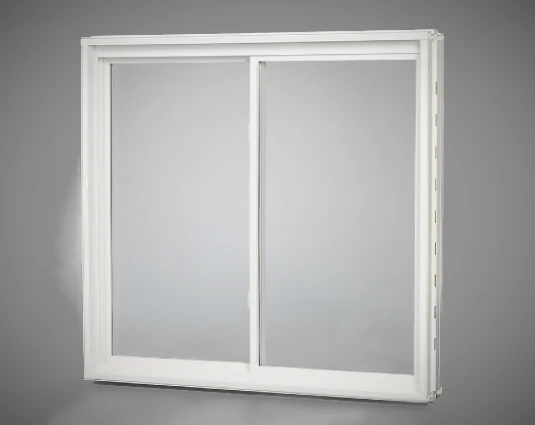
A sliding basement egress window glides open for a full, unobstructed clear opening. Ideal for wider wells, and allowing more light into your basement living space.
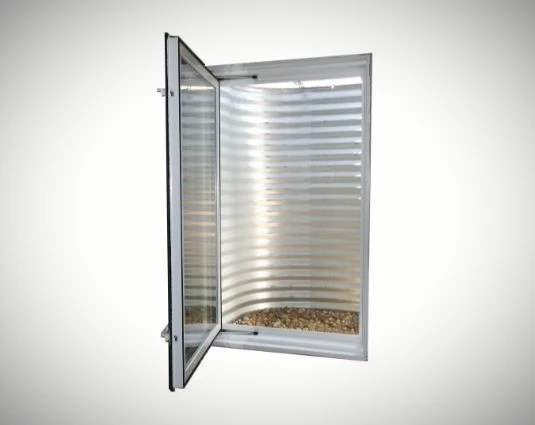
An in-swing casement window opens inward, keeping the window well area clear. Great for basement bedrooms that have wall space restrictions. Can be used with 42” wide window wells with no problem.
Get a Free Instant Quote
Not sure which window is right for your basement? Our experts can help you choose.
What Is a Basement Egress Window?
A basement egress window is a larger window with a 5.7 square foot net opening installed below ground level that serves as an emergency exit. The International Residential Code requires at least one in every basement bedroom and habitable space so occupants have a safe escape route.
Egress windows must meet that specific size requirement for their clear opening, large enough for a person to climb through and for rescue crews to enter. They also bring natural light and fresh air into your lower level, adding real square footage and property value to your home.
Product Features

Hassle-Free Installation
Vinyl frames are maintenance-free.

Egress-Compliant Sizes
Our windows do not subtract from the egress well square footage, meeting IRC standards.

Direct Shipping
We ship anywhere in the U.S. and Canada. Your order is delivered directly to your door.
Egress Window Requirements: What the Code Says
The International Residential Code sets baseline standards for egress windows in basements. Your local building code may add to these, so always check with your local code authority before starting work.
Note: Your local code may have stricter egress requirements. Always verify with your municipality before beginning a window installation.
| Requirement | IRC Minimum Standards |
|---|---|
| Minimum Window Opening | 5.7 square feet |
| Minimum Window Opening Height | 24 inches |
| Minimum Window Opening Width | 20 inches |
| Window Well Projection | 36 inches minimum |
| Window Well Area, if below grade | 9 square feet minimum |
| Ladder Required | When well depth exceeds 44 inches |
| Window Operability | Must open without tools, keys, or special knowledge |
How Basement Egress Window Installation Works for a New Installation
Step 1: Choose the Right Location
Inside the home, plan the location of the window in the basement room where it will be most accessible in case of an emergency. Also, check the window well location so it will not interfere with utilities, landscaping, or nearby structures outside. It must have a maximum sill height of 44 inches above the finished floor.
Step 2: Excavate the Area for the Egress Well and Cut the Foundation
On the outside of the home, where the window is to be installed, excavate the ground to the depth needed for the window well. The well needs to be tall enough to go at least 8-12” below where the lower sill of the window will be and 3-4” above grade to help prevent flooding. You will need at least 12” extra space all the way around the well for an easier installation.
Once the hole is dug and before the well is lowered into the hole, mark the location of the window on the foundation wall, and using a concrete saw, cut the hole slightly larger than the size of the window frame.
- Mix up some mortar/concrete, create a level, flat sill, and set the window on top of that. Make sure the latches are accessible on the inside of the building.
- Shims are normally used to help square the window on the inside, outside, and around the top and sides of the frame. Then use spray foam around the frame or fill with mortar/concrete. The outside of the window frame is grooved and is designed to hold the window in place as the installation material fills into those grooves.
- Once the installation material cures, the window is set in place. With the frame measuring almost the full thickness of the wall, no wood buck is needed to hold the window.
- Caulk the seam around the inside and outside of the window to waterproof it.
- Finish the window as desired on the outside and the inside.
Step 3: Install the Window Well and Connect Drainage
The window well can be carefully lowered into the excavated area before the window is completely cured. It can be anchored to the foundation wall with the fasteners appropriate for your foundation type. To finish the well installation, establish proper drainage at the bottom by adding enough pond rock or other rounded stone to fill the bottom of the well to within 2” of the lower sill of the window. If there is a drain tile system around the foundation of the house, a drain can be put at the bottom of the well and connected to the weeping tile.
Step 4: Add a Window Well Cover
A cover helps to protect the well from debris, rain, snow, and pests. It should be openable from the inside without tools, so the window works as an emergency exit.
Why Your Basement Needs an Egress Window

Emergency Escape
A direct emergency exit that does not depend on stairways that may be blocked by fire or smoke.
Building Code Compliance
Most local codes require at least one egress window in any habitable basement space or bedroom.

Natural Light and Value
An Egress window brings daylight and fresh air into your lower level and adds to the livable square footage of your home.
FAQ
In most areas, yes. Adding or enlarging a basement window opening typically requires a building permit from your local code authority. Check with your municipality before starting work.
A replacement window in an existing opening can usually be done in a few hours. A full new installation with excavation, concrete cutting, and a new window well typically takes one to two days.
Yes, but it involves cutting into the foundation wall and may require removing or repairing interior finishes like drywall and flooring around the new opening. Many homeowners add egress windows during a basement remodel.
A sliding window glides open horizontally and is larger than an inswing window. It lets more light into the room, and does not block off any area in the window well or in the room. An in-swing casement window hinges inward, keeping the well area clear and allowing more airflow. The in-swing is also a good option for homes with limited wall space, since the entire window area counts toward the egress size requirements. With a sliding window, only half the opening counts.
Our egress windows include locking hardware that keeps the window secured from the inside. The locks are designed so the window can still be opened quickly during an emergency without tools.
Yes. Contact Window Well Experts for full warranty details on our egress basement windows and window well covers.
Get a Free Estimate
By Sending Us Your Window Well’s Measurements
Have Questions Or Need Help Measuring Your Wells? No Worries! Our Experts Are Available To Take Your Call

Get a Free Quote!
In order to get a free quote, enter your email below to get your measuring guide: