
Quick answer: To improve air quality in your basement, control moisture and increase airflow at the same time. Run a dehumidifier to hold the humidity level between 30 and 50 percent, add an exhaust fan or air purifier, keep your HVAC system on a regular maintenance schedule, and cover your window wells so rain and debris are less likely to accumulate.. Together, these steps cut down on musty odors and the airborne pollutants like pollen, mold spores or pet dander that can trigger allergic reactions.
A basement is at least partially below grade with little natural air circulation,causing it to collect moisture and hold onto stale air. That combination is why so many basements end up with poor air quality, a musty smell, and higher allergen levels than the rest of the house. The good news is that basement air is something you can fix with a clear plan and a few reliable tools. This guide walks through what causes poor basement air quality, how to measure it, and the practical steps that make the biggest difference.
What Affects Your Basement’s Air Quality
Most basement air problems trace back to a handful of sources. Knowing which ones apply to your space tells you where to start.
Source | Why It Hurts Air Quality |
Excess moisture | High humidity feeds mold growth and dust mites, two of the most common indoor air pollutants. |
Poor ventilation | Without air movement, pollutants build up instead of clearing out. |
Mold spores | Damp basements encourage mold growth on porous surfaces and release spores into the air |
Paints, adhesives, and some flooring give off VOCs that irritate the eyes, nose, and throat | |
Radon | A naturally occurring gas that seeps in from the soil. Checking levels and taking steps if necessary will prevent health problems in the future. |
Combustion appliances | Furnaces and water heaters can leak carbon monoxide if they are not vented correctly to the outdoors |
Outside debris | Leaves and standing water in window wells trap moisture against the window, block drains, and contribute to rot and leaks |
A damp basement is usually the root issue. When humidity climbs, almost every other problem on this list gets worse, so moisture control and air circulation is where most of your effort should go.
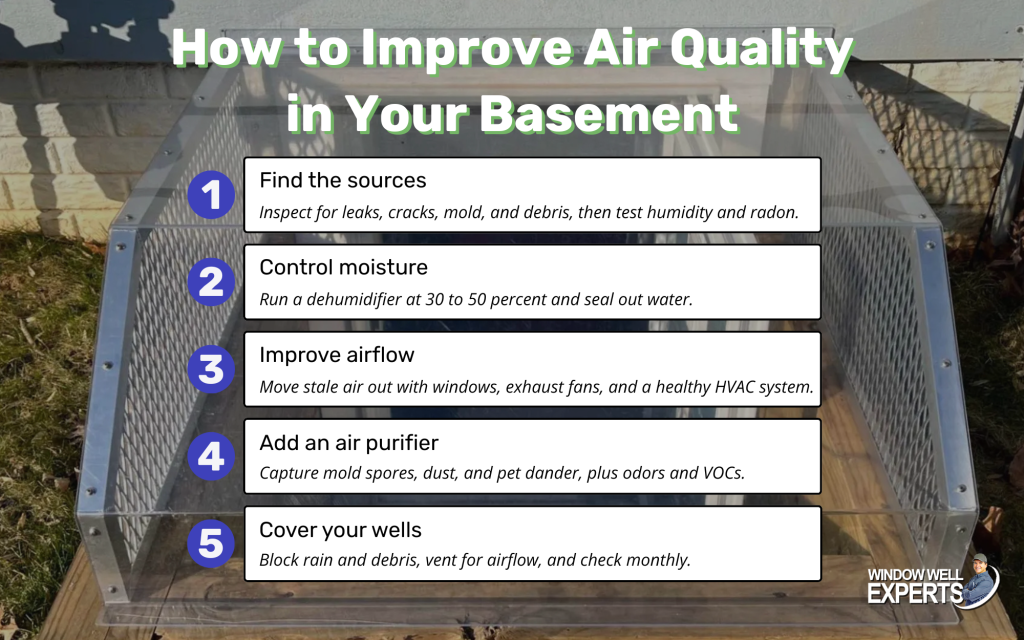
Step 1: Find the Sources of Poor Air Quality
Before buying equipment, walk through the basement and look for the obvious signs. A short inspection tells you whether you are dealing with a moisture problem, a ventilation problem, or both.
Look for:
- Foundation cracks or gaps where water and soil gas can enter
- Plumbing leaks or condensation on pipes
- Mold or mildew on walls, floors, or stored items
- A persistent musty odor, which often points to hidden moisture
- Dust streaks near vents that signal poor air circulation
- Cracks in vent pipes from furnaces and water heaters or disconnected ductwork
- Window wells full of leaves, water, or debris
If you want hard numbers, two low-cost tools help:
- A hygrometer reads the humidity level in the room. Anything consistently above 50 percent invites mold.
- A radon test kit from a reputable lab measures radon levels. Radon is the second leading cause of lung cancer in the United States after smoking, so testing is worth the small cost. If levels come back high, a radon mitigation contractor can install a system to vent the gas safely.
Step 2: Control Moisture First
Because high humidity drives so many basement air quality issues, this is the step that pays off most.
Run a Dehumidifier
A high-quality dehumidifier is the single most useful tool for a damp basement. Set it to hold relative humidity between 30 and 50 percent. As it runs, the dehumidifier collects the water it pulls from the air in a built-in tank that you have to empty by hand. Running a hose from the unit to a floor drain lets that water drain away on its own, so it can run all season without you tending to it.
Seal Out Water
Excess moisture often comes from outside the home. A few checks help keep it from getting in:
- Make sure the ground slopes away from the foundation so rainwater drains away from rather than toward the house.
- Confirm gutters and downspouts carry water well clear of the foundation.
- Seal small foundation cracks with concrete caulk or hydraulic cement. Large or active cracks should be looked at by a professional.
- Keep window wells clear of debris and confirm that any well drain is not clogged, since proper drainage keeps water out of the well and away from the basement windows.
Watch for Structural Damage
Long-term moisture does more than affect the air. It can lead to structural damage by rotting wood framing and corroding metal fasteners. Catching leaks early protects both your air quality and the bones of your home.
Step 3: Improve Ventilation and Air Circulation
Once moisture is under control, the next priority is moving air. Proper ventilation pushes stale, humid basement air out and brings fresh air, preventing pollutants from building up.
Use Natural and Mechanical Ventilation
There are two ways to ventilate a basement, and most homes benefit from both.
- Natural ventilation uses open basement windows to let fresh air pass through. It works best when you have more than one window so air can cross the space. Keep windows closed during rain and snow, as well as overnight for security.
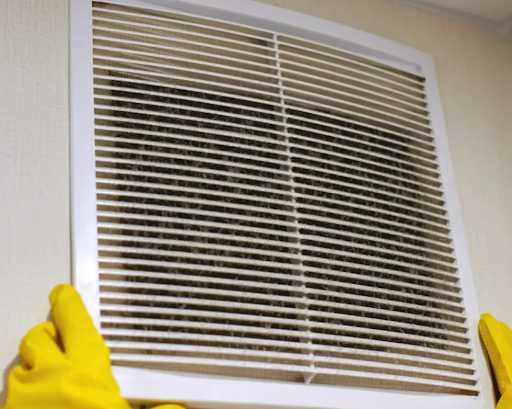
- Mechanical ventilation uses an exhaust fan set in an open window, or a dedicated ventilation system to move air when natural currents are not enough. This matters most in finished basements, bathrooms, and any room without good cross-flow.
A simple habit helps too: arrange items like stored items, furniture and rugs so they do not block vents, which prevents dead spots where stale air settles.
Keep Your HVAC System Healthy
Your HVAC system does a lot of quiet work for basement air. Air conditioning pulls humidity out in summer, and circulating warm air in winter limits condensation on cold surfaces. To keep it working:
- Change filters monthly, especially if anyone in the home has respiratory issues
- Schedule a professional tune-up once a year
- Clear dust and debris around return vents so airflow stays strong
- Have the intake and exhaust pipes on high-efficiency furnaces checked for cracks each year, since a leak can release carbon monoxide
Regular maintenance here protects the air in the whole house, not only the basement.
Step 4: Add an Air Purifier
Even with good ventilation, fine particles stay suspended in the basement air. An air purifier with a HEPA filter captures pet dander, pollen, dust, and mold spores that the filters in the HVAC system can miss. Place a portable unit in the room you use most, or have a whole-house purification system added to your furnace or AC.
If VOCs are a concern after painting or installing new flooring, look for a purifier with an activated carbon stage, and choose low-VOC products when you renovate to limit indoor air pollutants at the source.
Step 5: Cover and Maintain Your Window Wells
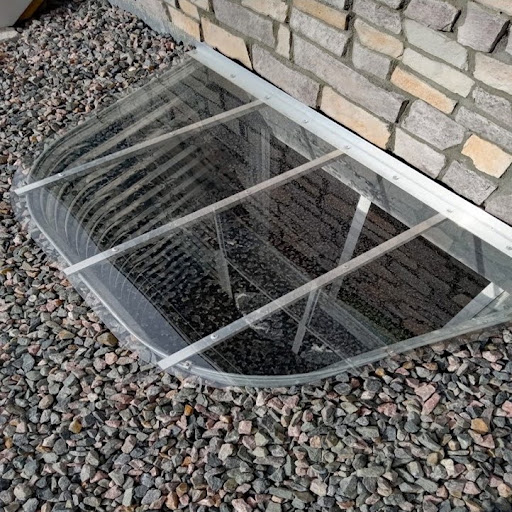
Window wells are an easy thing to overlook, but they have a direct line to your basement air. An uncovered well collects rain, snow, leaves, and debris that raise moisture against your basement windows and seep inward over time. Water that never reaches the well cannot get into your home.
A window well cover blocks water and debris while still letting your egress windows do their job. For air circulation, Window Well Experts offers aluminum vents that let trapped moisture dissipate from an enclosed well, which is helpful for smaller wells and those with a dryer, furnace, or water heater exhaust vent nearby. Custom covers come in Sloped, Flat, Super Slant, and Dome styles to suit standard and oversized wells, and they ship nationwide.
A Quick Monthly Maintenance Routine
Good basement air quality holds up with a little regular cleaning. When you swap the furnace or AC filter each month, run through this short check:
- Scan room corners, floors, and ceilings for moisture, mold, or mildew
- Look for drips around the water heater, sink, or washing machine
- Empty and clean the dehumidifier reservoir or drain line
- Clear debris from window wells and confirm covers are secure
- Note any new musty odor, which is often the first sign of a moisture problem returning
A deeper inspection once every season catches small issues before they grow.
When to Call a Professional
Many basement air quality fixes are well within reach for a homeowner. Some situations call for a pro:
- Mold that covers more than about ten square feet or keeps returning after cleaning
- Suspected mold behind walls, under flooring, or inside the HVAC system
- Radon levels that stay high after testing
- Standing water or foundation cracks that point to a larger drainage or structural problem
- Anyone in the home with serious respiratory issues, since cleanup can stir up mold spores
A specialist has the equipment and containment methods to handle these safely.
Breathe Easier in Your Basement
Cleaner basement air comes down to two things working together: keeping moisture low and keeping air moving. Control humidity with a dehumidifier, add ventilation and an air purifier, stay on top of HVAC maintenance, and stop water at the source by covering your window wells.
Window Well Experts has helped more than 50,000 homeowners across the United States and Canada protect their basements for over 50 years. If standing water, debris, or a damp window well is working against your basement air quality, call 1-888-397-7936 to talk with a representative about a cover or vent setup that fits your wells. Our team is available seven days a week.